1. A quick first call
The call covers what agent was used, where, and whether the air system was running. Photos taken from the doorway can help.
Layton, UT · Davis County
Are tenants, pets or staff in Layton unable to return because of irritant residue? Call (877) 812-4220. Cleaners decontaminate surfaces and document the work for landlords and insurers.
If anyone is in danger, call 911 first. For a suicide crisis, call or text 988.
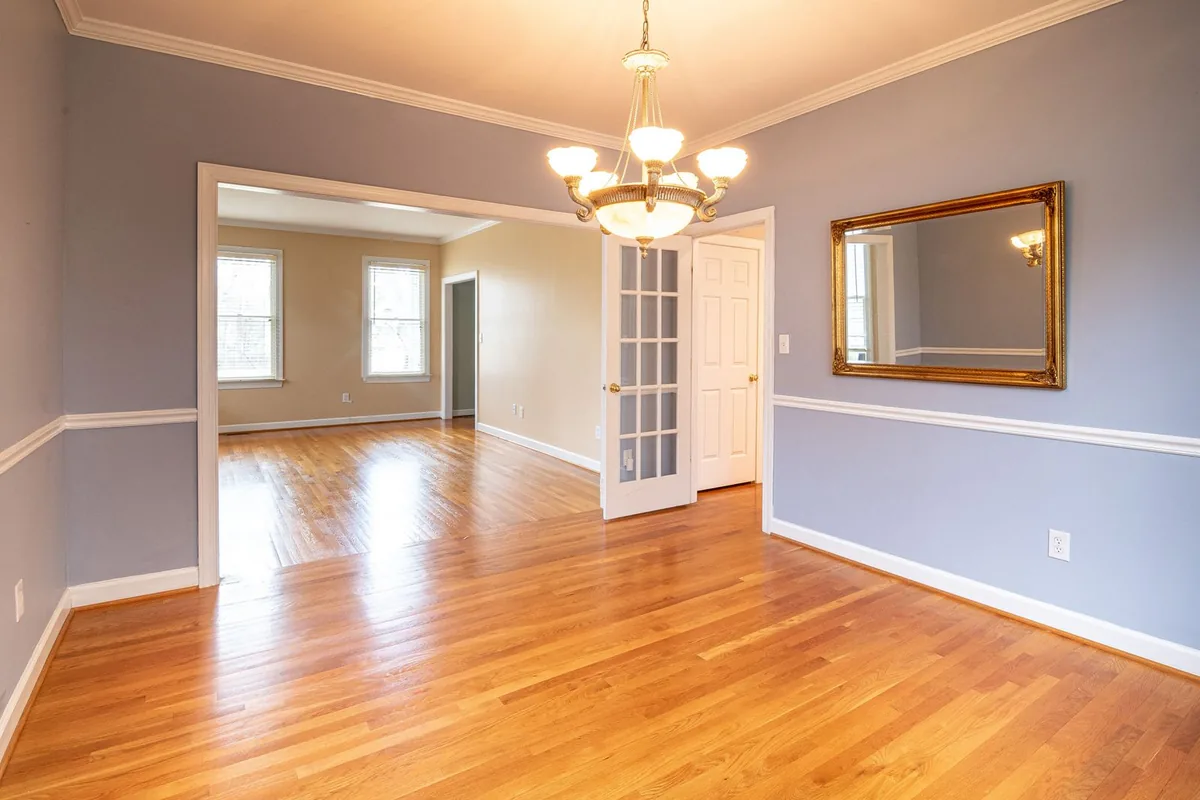
Tear gas decontamination removes irritant residue and the smell that goes with it. The aim is a space that no longer causes symptoms, and that the owner, tenant or manager can document.
After a tear gas incident in Layton, you can get crews to contain the area and clear vents, surfaces and fabrics. Call Layton Biohazard Cleanup Help for homes, offices and vehicles anywhere in Davis County.
Only about 5% of homes in Layton are vacant, and most occupied buildings need quick cleanup so people can return. Whatever the season in Layton, turn off the air system after an incident so it does not spread residue.
The work often covers:
The call covers what agent was used, where, and whether the air system was running. Photos taken from the doorway can help.
Crews place protective sheeting and barriers and bring in the equipment and supplies for containment.
Residue is lifted from surfaces rather than wiped around. Fabrics are treated or removed, and vents are cleaned.
The crew documents the finished work for landlords, employers or insurers and walks through it with the owner.
Expect tear gas & pepper spray cleanup in Layton, UT to cost roughly $1,500 to $50,000, with the final price set after an on-site assessment.
A business that must reopen quickly or a rental that must be turned over can require a different work plan and schedule.
| Type of job | Typical range |
|---|---|
| Small apartment | $1,500 - $4,000 |
| Commercial property | $10,000 - $50,000+ |
| Single-family home | $3,000 - $10,000+ |
Figures are planning ranges from Tear gas cleanup cost guide, not a price for any specific Layton property. Price drivers include property size, air system involvement, materials affected, time since exposure. Call (877) 812-4220 any hour.
If the heating or cooling system ran, it may have pulled irritant particles into vents and ducts and moved them to other rooms. Crews isolate and clean the system so residue does not spread again.
Tell the landlord or property manager right away. The lease and local law decide who pays. A landlord, an attorney or a tenant rights group can explain.
Not reliably. Vinegar and bleach do not neutralize these agents, and mixing products can release harmful fumes. Plain water can spread residue. Fresh air and professional removal work better.
Rules for hazardous residue vary by state, county and city. Waste may need special handling and cannot always go in the regular trash. Ask the local health department or fire department what applies.
Follow first aid guidance and get medical help if symptoms continue. If anyone has trouble breathing, call 911. This page covers property cleanup, not treatment.
Yes. Cleaners treat seats, carpet, headliners, vents and the cabin air path. Airing out alone often does not remove the residue, so burning may return when the vehicle heats up.
One call starts the process, and no details are required up front.
Call (877) 812-4220